Home Solar + PHEV: The Combination That's Rewriting Energy Bills Nationwide
Owners of plug-in hybrids who pair them with rooftop solar are reporting fuel and electricity costs near zero. We crunch the real numbers.
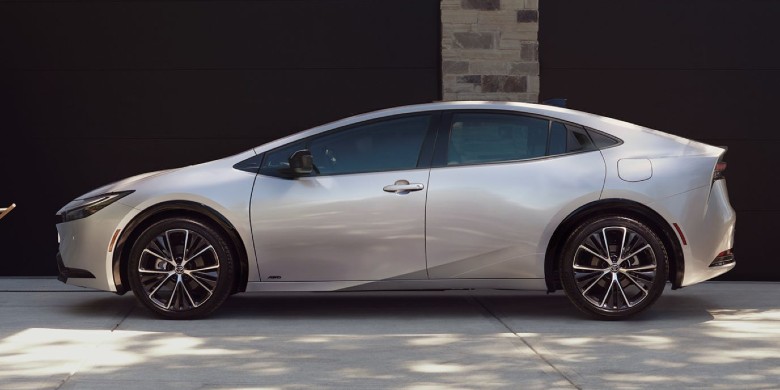
Twenty-five years since the Prius rewired the automotive industry, hybrid technology has quietly become the most important bridge between the fossil-fuel era and an electric future — and it's just getting started.
Owners of plug-in hybrids who pair them with rooftop solar are reporting fuel and electricity costs near zero. We crunch the real numbers.
A comprehensive breakdown of the Inflation Reduction Act's clean vehicle credits — eligibility, income caps, and the new dealership point-of-sale option.
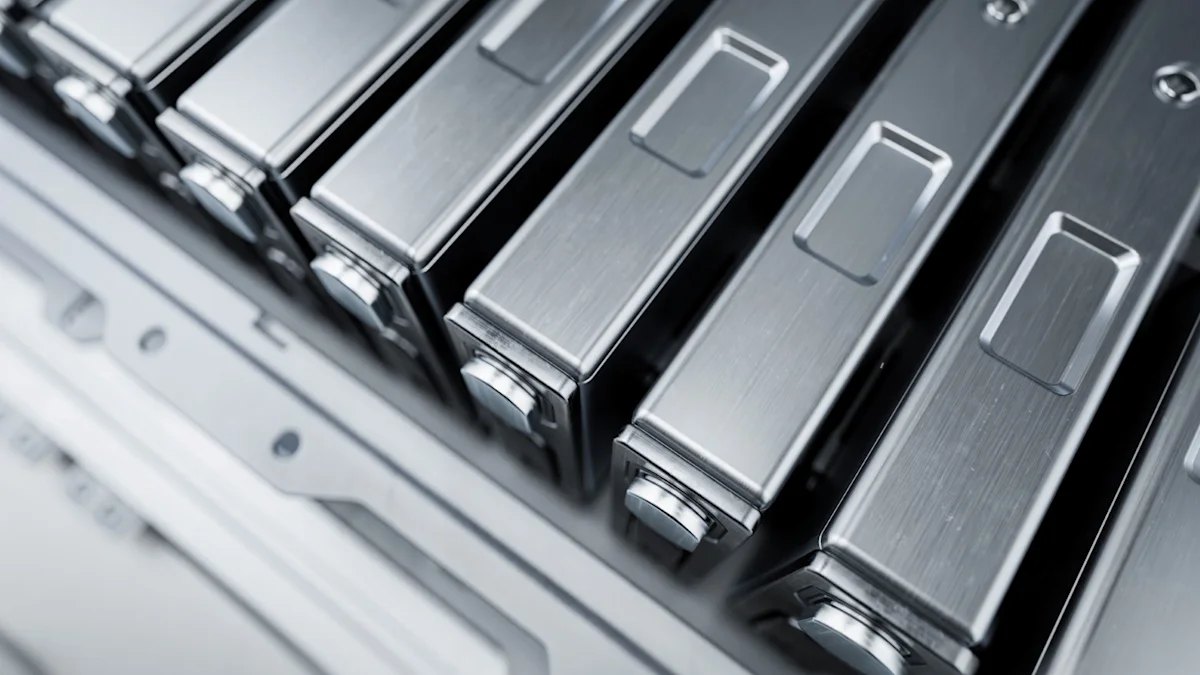
Toyota, Samsung, and QuantumScape are racing toward commercialization. The result could double range and halve charge times within four years.
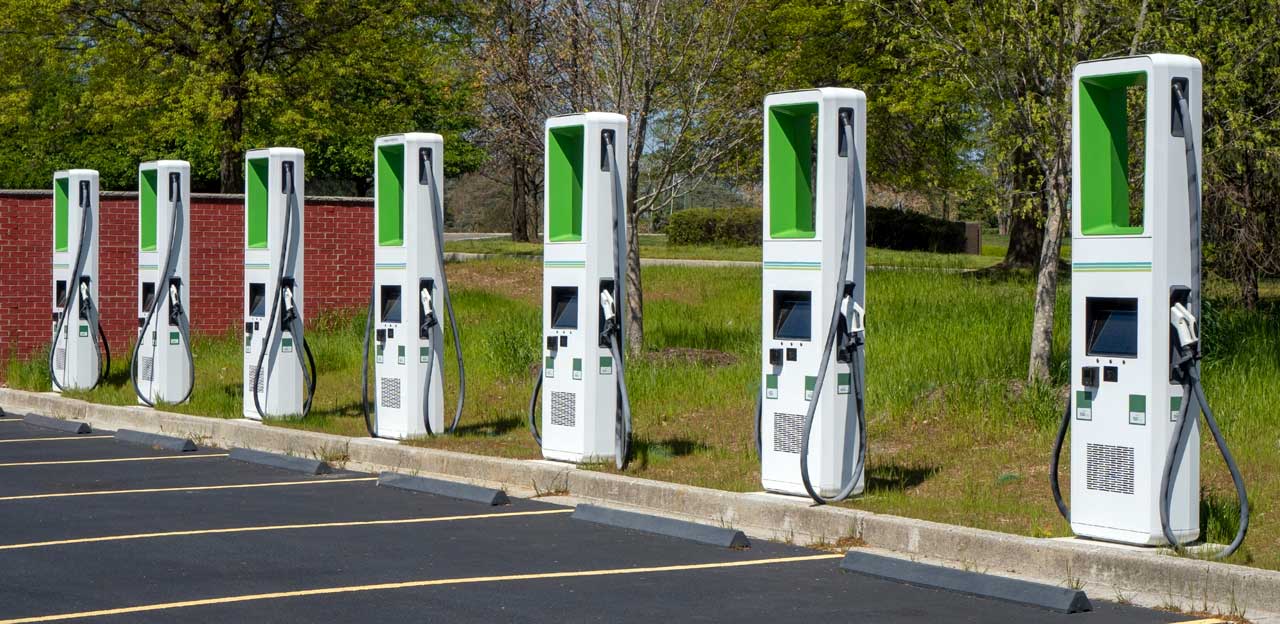
40 million Americans live more than 25 miles from the nearest DC fast charger. Here's the federal plan, the funding gaps, and who's actually building.
The obsession with "going full electric" ignores millions of real-world drivers for whom range anxiety is a genuine barrier.
When you factor in battery mining, manufacturing, and the grid's energy mix, the calculus is more nuanced than the headlines suggest.
Vehicle-to-grid (V2G) technology is no longer theoretical — and it could fundamentally change how we think about home energy resilience.
When rivals chased pure EVs and Wall Street wrote off the Prius as a relic, Toyota doubled down on hybrid drivetrains. In 2025, that bet looks like the greatest industrial gamble of the century — paid off.
The emissions from your EV or PHEV depend entirely on what powers your local grid. We mapped every U.S. state's electricity mix and calculated what your car's true carbon footprint actually is.
Solar and wind now generate more electricity than coal for the first time in American history.
Year-over-year growth of 31%, outpacing both pure ICE and full-EV segments in the US market.
The IRA has catalyzed record private-sector investment in solar, wind, and EV manufacturing.
Down from 320g in 2000. Hybrid adoption accounts for roughly 40% of that reduction.
The results were surprising — and the savings were very, very real.
An intimate conversation about what comes after lithium-ion.
From West Texas wind farms to the factory floor of a battery gigaplant.